Why Does September Shade Change What Works for a Park Day?

Quick Answer: In September the sun is at a much lower angle, which makes shadows longer and shade cover far more extensive than in midsummer. Shaded air can sit several degrees below the temperature in direct sun, and the ground has stopped radiating stored heat by late afternoon. The result is that a park day now contains two distinct climates rather than one, and the outfit has to work in both.
Same park. Same temperature on your phone. Completely different afternoon.
The variable nobody accounts for is where the shadows fall.
This is general information, not medical advice.
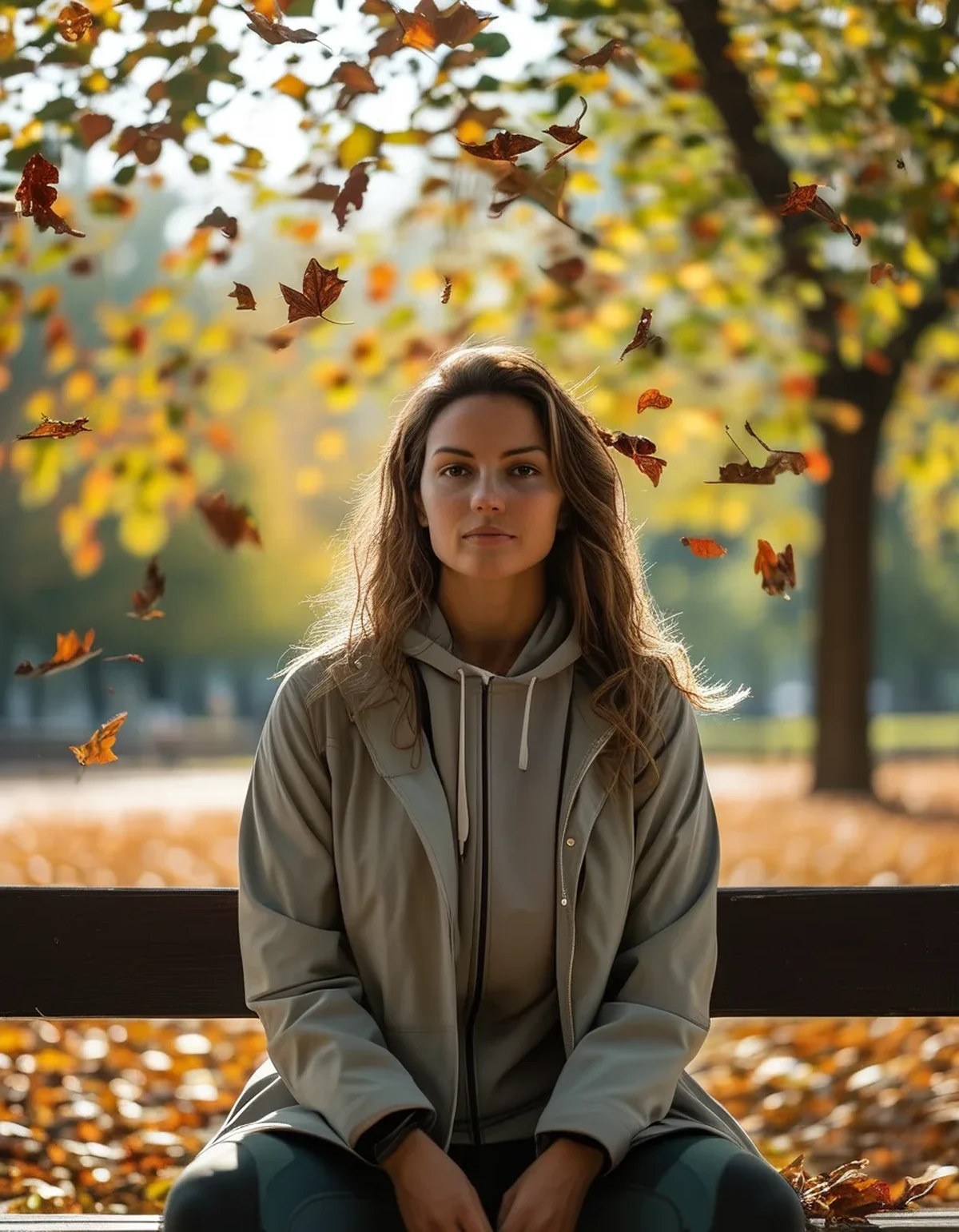
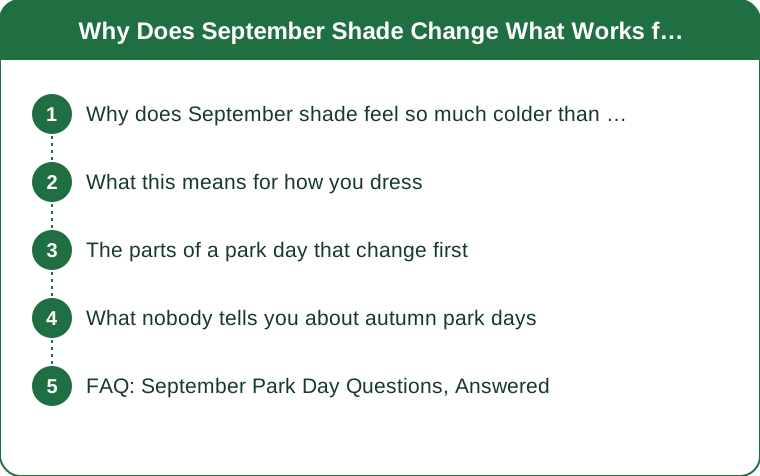
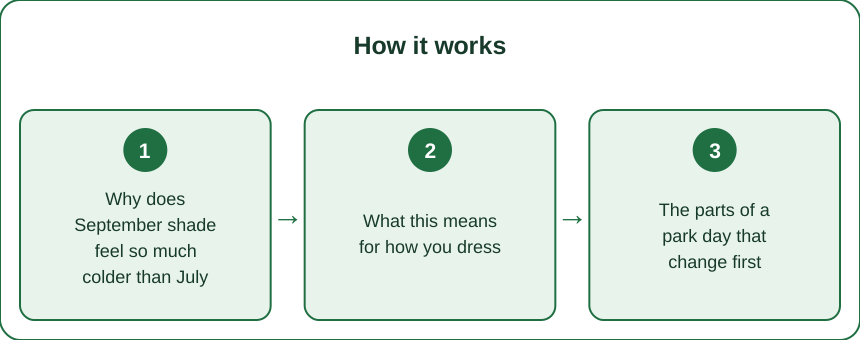
Why does September shade feel so much colder than July shade?
Three things change at once, and they compound.
The sun angle drops. After the equinox the sun tracks lower across the sky, so the same trees, buildings, and hedges cast much longer shadows. Areas that were sunlit at 3pm in July are in full shade at 3pm in September. You have not moved; the shade has.
The air in shade is genuinely colder. Direct sunlight adds a real warming effect to your skin on top of the ambient temperature — which is why standing in the sun feels markedly warmer than standing in shade at the same air temperature. In summer, shaded air is still warm enough for that difference not to matter. In September it matters immediately.
The ground stops helping. Through summer, paths, walls, and open ground absorb heat all day and release it into the evening. By late September there is far less stored heat to give back, so the temperature drops faster once the sun goes off a space.
Add the fact that grass stays damp much later into the day, and a bench in shade at 4pm is a substantially different place from a bench in sun at 2pm.
Is this why afternoons feel like they end abruptly?
Largely, yes. In July the warmth tapers. In late September it stops when the sun goes behind something, which can happen an hour before sunset.
What this means for how you dress
The principle: dress for the shade, and make the sun-layer removable.
Most people do the reverse. They dress for the warm walk from the car and carry nothing, then spend the afternoon migrating between patches of sunlight.
Base for shade. Whatever you would want to be wearing sitting still on a bench in the shade at 4pm — that is the baseline. Long sleeves or a light knit as the default rather than the emergency option.
One packable outer layer that survives being sat on. A light shell or an overshirt that folds into a bag, does not crease permanently, and can double as something to sit on. This is the single highest-value item for autumn park days.
Full-length legs beat shorts by mid-September. Not for warmth alone — the ground is cooler and damper, and sitting is most of what a park day involves. Leggings or light trousers extend the usable afternoon by an hour or more.
Something for the neck. A light scarf occupies almost no space and addresses the single spot where shaded air is felt most. It is disproportionately effective for its size.
Socks, and shoes that tolerate wet grass. Bare ankles in canvas shoes is the specific combination that fails as soon as you cross damp ground.
Does the classic layering advice still apply?
Yes — the update is only that the number of layers should be set by the shade, not by the walk over.
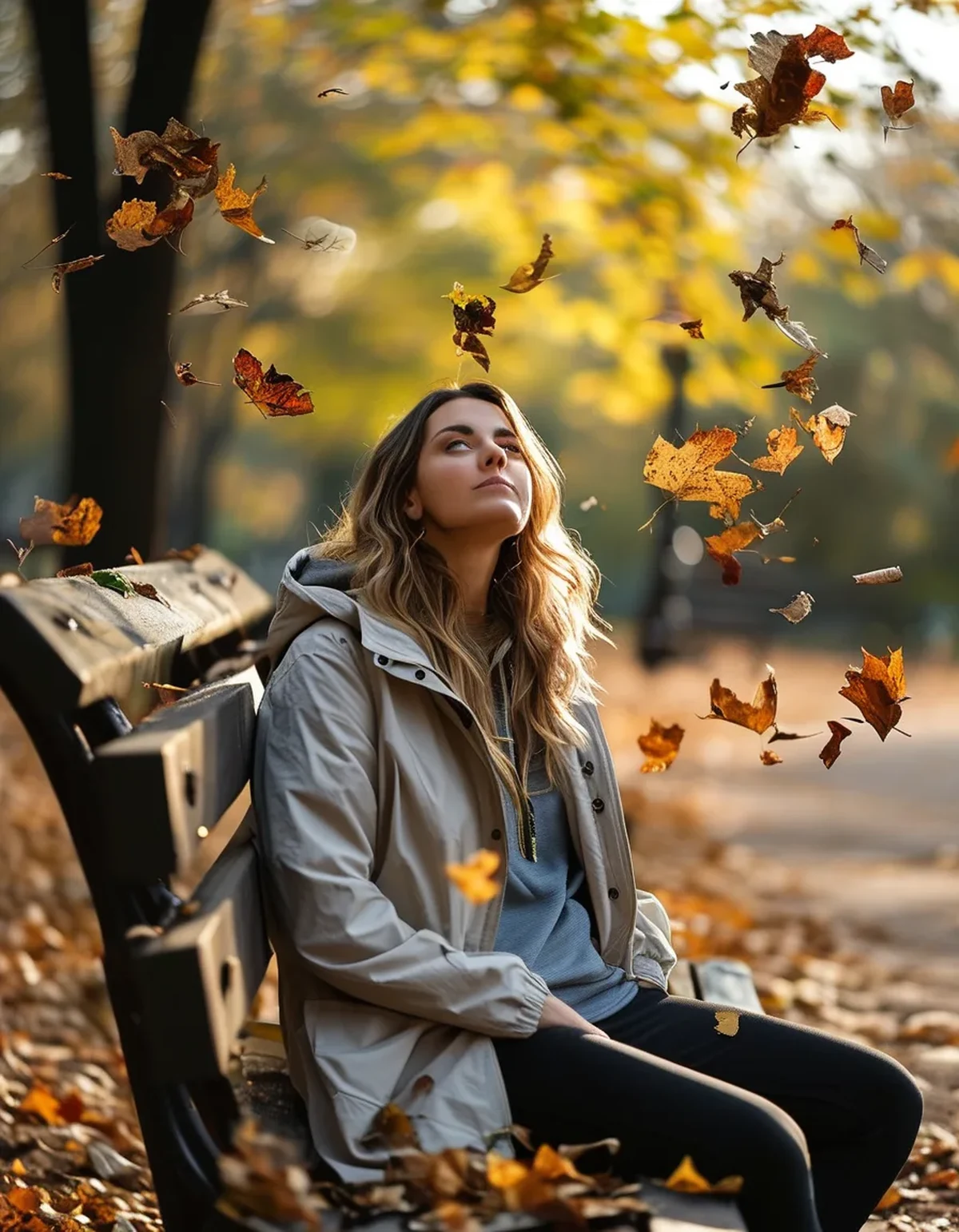
The parts of a park day that change first
Some activities feel the shift much earlier than others.
Sitting. Anything static — reading, a picnic, watching a match — is where cold arrives first, because you are producing no heat and usually in contact with cold ground. A sitting-based park day needs meaningfully more clothing than a walking one, in September more than in any other month.
Anything with children. Children move constantly, then stop entirely, and their clothing needs to cover both. The predictable failure is a child dressed for running around who then sits still on damp grass for forty minutes.
The end of the afternoon. The last hour changes the most. Whatever felt comfortable at 2pm will be noticeably insufficient at 5pm, and this gap widens week by week through the month.
Anywhere near water. Ponds, lakes, and rivers hold cool air, and the temperature difference by a lakeside bench in shade is larger than most people expect.
North-facing anything. With a low sun angle, north-facing slopes, benches, and sides of buildings may not receive direct sun at all. Choosing where you settle matters more now than it did in June.
Is there a simple planning rule?
Pick your spot for late afternoon rather than for the moment you arrive. The sunny bench at 2pm is often the shaded one by 4.
What nobody tells you about autumn park days
The best light of the year arrives with the cold. Low-angle September and October sun is the reason photographers get up for it. Anyone bothered about how the day looks — and how photographs of it look — gets a genuine payoff for staying out later, provided the clothing supports it.
Damp ground is more of a problem than cold air. Air you can dress for easily. A wet patch on the seat of light trousers changes the afternoon and is much harder to recover from. Something waterproof to sit on solves more autumn park days than an extra jumper does.
Wasps get worse before they disappear. Late-season wasps are notably more persistent around food and drink than midsummer ones, because their colonies have shifted priorities and food sources are thinning. Covered drinks are the fix; sudden movements are not.
The wind matters more than the temperature. In shade with a light breeze, the difference between something windproof and something merely warm is substantial. A thin shell outperforms a thicker knit in exactly these conditions.
You will underestimate how long you stay. Autumn afternoons in good light have a way of extending. Almost nobody regrets carrying an extra layer in October; a great many people regret not having one.
FAQ: September Park Day Questions, Answered
How much colder is shade really?
It varies with humidity, wind, and surface, and the practical experience most people report is several degrees, plus the loss of direct solar warming on the skin — which is often the larger part of the sensation.
Is a blanket or an extra layer more useful?
A blanket, if you are mostly sitting — it addresses cold ground, damp, and warmth at once. A layer, if you are mostly moving. If you take one item, take the one that matches how you actually spend the time.
What about the walk there being too warm?
That is what the removable layer is for. Being slightly too warm for ten minutes on the way is a better trade than being cold for two hours on arrival.
Do I still need sun protection in September?
UV is lower than midsummer and not absent, and time outdoors is often longer because the heat is not driving you indoors. Reasonable protection still applies, particularly at altitude or near reflective water.
When does this fully tip over into autumn dressing?
For most temperate regions, the last week of September through mid-October is where the shade becomes the governing condition rather than an occasional one.
TL;DR:
- A lower sun angle makes September shade far more extensive than July shade, and several degrees colder.
- The ground no longer radiates stored heat, so afternoons cool faster and end more abruptly.
- Dress for the shaded bench at 4pm, and make the sun layer the removable one.
- Full-length legs, socks, a light scarf, and something waterproof to sit on do the most work.
- Choose your spot for where the sun will be later, not where it is when you arrive.
The park has not changed. The shadows have, and they now cover most of the afternoon.
This is general information, not medical advice.
Keep Reading
This article is for general informational and styling purposes only. Fit, sizing, and product availability may vary.